Desk note · 2 June 2026
Marking invalidation from the swings you can see
An invalidation level is the price that proves this idea wrong: one swing you can point at, with the stop sitting on it.
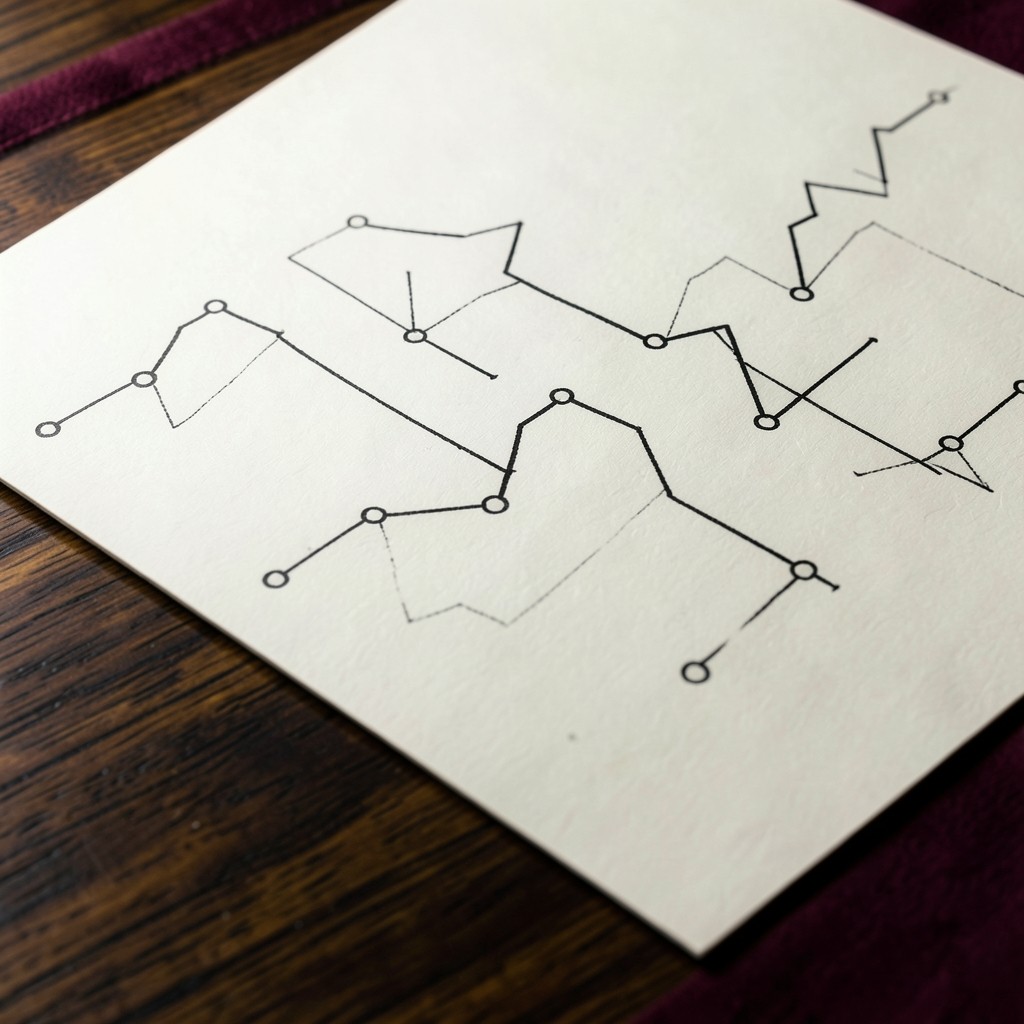
A swing low is a turn you can point at. Price fell, printed a low, and then made a higher low or at least left that low unvisited. For a long idea built on that turn, the idea fails if price trades back through it. That price is the invalidation. The stop belongs there, not halfway toward it because halfway feels kinder.
Students often add a second line: a moving average, a round number, a level from last year. Extra lines create a menu, and a menu invites the stop to wander toward the line that allows the size they already wanted. In the room we allow one invalidation per idea. If you cannot choose, the idea is not ready to size.
The same rule runs in reverse for a short idea. The swing high that should hold is the invalidation. A stop tucked just above a convenient minor high, while the real swing high sits further up, is a smaller distance on paper and a larger surprise in the market.
When the structure is messy — overlapping bars, a range with no clear turn — we do not invent a swing. The chart is telling you the distance is not knowable yet. Position sizing has nothing to divide until it is. Waiting is a result, not a failure of the method.
On evening one, Niran asks each person to cover the right edge of the chart and name the last swing that still matters. If the answer changes when the latest bar is revealed, the latest bar was doing the thinking. The swing was already there.
The Chart Risk Studio is where this measurement is practiced out loud. All desk notes